Planning a successful trade show exhibit requires more than just showing up with a booth and some business cards. The difference between exhibitors who generate strong ROI and those who struggle often comes down to one factor: timing. Start too late, and you’ll face rushed decisions, premium pricing for last-minute services, and missed opportunities for early-bird discounts. Start too early without a clear plan, and you might waste resources on activities that don’t align with actual show requirements. After managing hundreds of exhibit projects for shows across Las Vegas and nationwide, we’ve identified the optimal timeline for trade show planning. This comprehensive guide breaks down exactly what you need to do and when, from your first contact with show organizers through the final moments on the show floor.
12+ Months Before: Strategic Foundation
For first-time exhibitors or those planning major custom booth builds, starting a year in advance isn’t excessive, it’s strategic.
Select Your Shows
Not every trade show delivers equal value. Research potential shows based on:
- Attendee demographics and whether they match your ideal customer profile
- Historical attendance numbers and industry reputation
- Competitive presence (both too much and too little can be problematic)
- Geographic location relative to your market priorities
- Show timing in relation to your product launch schedule and sales cycle
Tools like the TSNN Trade Show Calendar help identify shows by industry and location. But don’t rely solely on online research. Talk to colleagues who have exhibited previously. Ask about actual attendee quality, not just quantity.
Define Clear Objectives
Vague goals produce vague results. Document specific, measurable objectives:
- “Generate 100 qualified leads from decision-makers in the healthcare sector”
- “Schedule 15 meetings with distributors in Western markets”
- “Launch our new product line to 500+ industry professionals”
- “Secure three strategic partnership agreements”
These objectives drive every subsequent decision, from booth design to staffing to marketing budget allocation.
Establish Your Budget
Trade show costs extend far beyond booth space. A comprehensive budget includes:
- Booth space rental fees
- Booth design and fabrication (or rental costs)
- Graphics and signage production
- Shipping and drayage
- Installation and dismantling labor
- Show services (electricity, internet, cleaning)
- Travel and accommodations for staff
- Pre-show marketing campaigns
- Promotional materials and giveaways
- Post-show follow-up resources
Industry data shows exhibitors spend an average of 31.6% of their total marketing budgets on trade shows, with individual booth costs ranging from $10,000 to $30,000 or more. Set realistic expectations and build in a 10-15% contingency for unexpected expenses.
Register Early
Once you’ve committed to a show, register immediately. Early registration typically offers:
- Reduced booth space fees (often 10-20% savings)
- First choice of booth locations
- Access to attendee lists for pre-show marketing
- Priority consideration for sponsorship opportunities
Premium booth locations get claimed quickly. High-traffic areas near entrances, food courts, or main thoroughfares can increase your booth traffic by 30% or more compared to back-corner placements.
9-12 Months Before: Booth Design and Vendor Selection
Start the Booth Design Process
For custom exhibits, this is when serious design work begins. The process typically takes 8-12 weeks from initial consultation to final approval.
At TrueBlue Exhibits, our design process starts with understanding your goals, brand identity, and functional requirements. We provide complimentary 3D booth design services that let you visualize your exhibit before any fabrication begins.
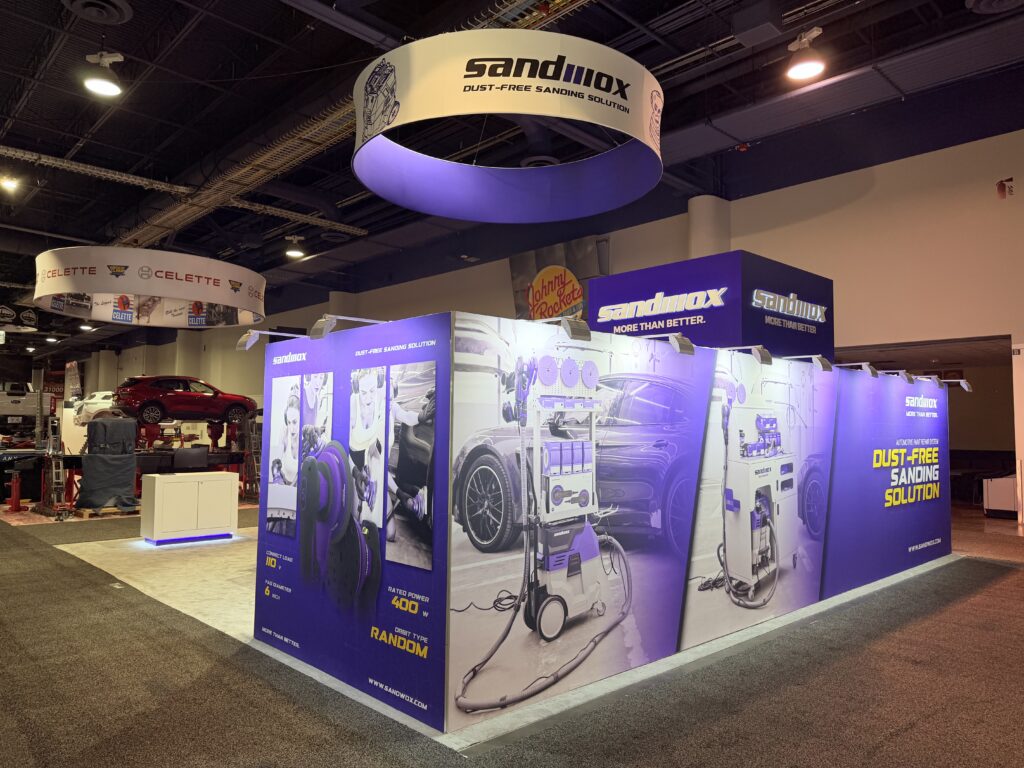
Key design considerations:
- Traffic flow patterns that encourage entry and facilitate conversations
- Demo areas positioned for visibility without blocking pathways
- Meeting spaces for private conversations with high-value prospects
- Storage for materials, personal items, and inventory
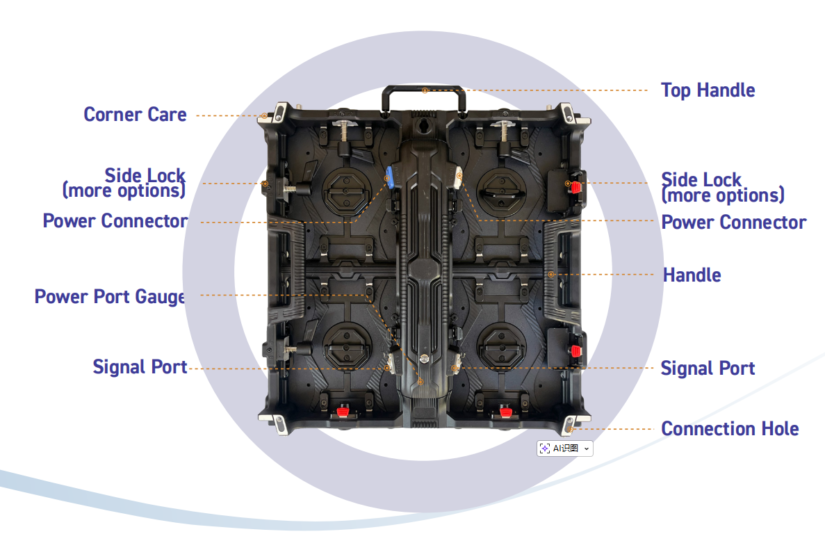
- Technology integration (LED video walls, charging stations, interactive displays)
- Lighting strategy to highlight key products and create ambiance
Custom booth fabrication typically requires 6-12 weeks after design approval. Larger or more complex exhibits need additional time. If you’re working with rental exhibit solutions, timelines can be shorter, but you’ll still want to start early to ensure availability and customization options.
Select Your Exhibit Partner
Choosing the right exhibit company impacts everything from design quality to on-site support. Look for:
- Proven portfolio with projects similar to your needs
- In-house fabrication capabilities (reduces coordination issues)
- References from clients in your industry
- Clear communication and project management processes
- Local presence if exhibiting in markets like Las Vegas (reduces shipping costs and enables faster response times)
Working with a Las Vegas-based partner like TrueBlue Exhibits provides distinct advantages for Nevada shows. Proximity to major venues means lower freight costs, easier storage between shows, and immediate support if issues arise on the show floor.
Review Show Rules and Regulations
Trade show venues impose strict requirements on booth design and construction. Review the exhibitor manual thoroughly to understand:
- Height restrictions (typically 8 feet for inline booths, higher for islands)
- Fire safety regulations for materials and construction
- Hanging sign limitations and rigging requirements
- Line-of-sight rules that prevent blocking neighboring booths
- Union labor requirements for installation and dismantling
Violations can result in fines, mandatory modifications at premium rates, or even booth closure. Share these requirements with your booth designer immediately to avoid costly surprises.
6-9 Months Before: Marketing Planning and Logistics
Develop Your Pre-Show Marketing Strategy
Pre-show marketing determines whether you attract your target audience or settle for whatever walk-up traffic appears. Start planning campaigns at least six months out.
Effective pre-show marketing includes:
- Email campaigns to attendee lists (purchased from show organizers)
- Social media announcements building anticipation
- Direct mail to high-value prospects in your CRM
- Content marketing (blog posts, videos) related to what you’ll showcase
- Appointment-setting campaigns with key targets
The goal isn’t just announcing your presence. You’re creating specific reasons for prospects to visit your booth: exclusive previews, limited-time offers, expert consultations, or interactive experiences.
Order Marketing Materials and Giveaways
Lead times matter. Quality printed materials, custom promotional items, and branded giveaways often require 6-12 weeks for production and delivery.
Consider what materials actually support your objectives:
- Product brochures and spec sheets for technical audiences
- Case studies demonstrating results for decision-makers
- Digital assets (downloadable content via QR codes) to reduce printing costs
- Promotional items that reinforce your brand without ending up immediately in the trash
Research indicates that 80% of trade show leads aren’t followed up. Having follow-up materials ready before the show ensures you’re in the productive 20%.
Plan Booth Technology Requirements
If your exhibit includes LED video walls, interactive displays, or product demonstrations requiring power, finalize these requirements now.
LED video walls create exceptional visual impact but require careful planning. You’ll need to:
- Determine optimal size based on viewing distance and booth dimensions
- Select appropriate pixel pitch (smaller pitch = higher resolution = higher cost)
- Create or adapt content for the display format
- Arrange adequate power supply (video walls draw significant electricity)
- Plan for audio if your content includes sound
At TrueBlue Exhibits, we maintain an inventory of over 15,000 LED video wall panels and help clients determine the right technology specifications for their specific needs.
3-6 Months Before: Finalizing Details
Confirm Booth Design and Begin Fabrication
By now, your booth design should be finalized with all revisions complete. Fabrication begins, and you should receive regular updates on progress.
For clients working with TrueBlue Exhibits, we pre-assemble booths in our warehouse to verify every component functions correctly before shipping. This quality check prevents the nightmare of discovering missing or incompatible pieces during show setup.
Determine Staffing Requirements
Plan your booth staffing carefully. The right team size depends on:
- Booth size (one person per 50-100 square feet of open space works well)
- Expected traffic levels
- Complexity of your product or service (technical demos require more staff)
- Planned schedule (rotating breaks keeps staff fresh)
Industry data shows that 85% of exhibitors believe staff performance significantly influences success. Choose team members who are:
- Naturally engaging and comfortable with strangers
- Knowledgeable about your products and company
- Trained in lead qualification and objection handling
- Committed to staying alert and energetic throughout long show days
Avoid the temptation to staff your booth with whoever happens to be available. Poor booth performance from wrong staff negates all your investment in design and promotion.
Arrange Travel and Accommodations
Book flights and hotels at least 3-4 months before major shows. Las Vegas hotels, particularly during large conventions, often sell out or dramatically increase rates as show dates approach.
Consider logistics beyond basic transportation:
- Ground transportation between airport, hotel, and venue
- Meal planning (convention center food is expensive and time-consuming)
- Team meeting space for morning briefings and evening debriefs
- Client dinner venues if you’re hosting customers or prospects
Order Show Services
Show services (electricity, internet, furniture rentals, cleaning) require advance ordering. Waiting until move-in typically means paying 30-50% premiums for “floor orders.”
Review the exhibitor service manual and order:
- Electrical service (adequate power for all equipment)
- Internet connection (hardwired is more reliable than WiFi)
- Booth cleaning (daily service keeps your space presentable)
- Lead retrieval systems (if not using your own technology)
- Any rental furniture not included in your booth design
2-3 Months Before: Training and Content Preparation
Conduct Staff Training
Schedule comprehensive training sessions at least 4-6 weeks before the show. Waiting until the last minute produces unprepared staff who underperform.
Training should cover:
- Show objectives and how each person contributes
- Ideal customer profile and qualification questions
- Product knowledge and key talking points
- Booth protocol (no phones, eating, sitting unless with prospects)
- Lead capture process and follow-up procedures
- Demonstration procedures for any interactive elements
Role-playing exercises help staff practice engaging visitors, handling objections, and moving conversations toward desired outcomes.
Finalize Content for Digital Displays
If your booth includes LED video walls or digital displays, finalize content at least 6-8 weeks before the show. This allows time for:
- Professional production if needed
- Testing content at actual display resolution
- Creating variations to rotate throughout the show
- Technical reviews to ensure proper formatting
Content should grab attention quickly (you have 2-3 seconds), communicate your key message clearly, and include calls to action that drive booth traffic or engagement.
Launch Pre-Show Marketing
Begin your pre-show email campaigns 4-6 weeks before the event. Earlier than this and prospects might forget. Later, and you’ve missed the window when attendees are finalizing their show schedules.
Email campaigns should:
- Announce your attendance with specific booth location
- Highlight what’s new or exclusive at your exhibit
- Offer incentives for scheduled meetings (exclusive consultations, limited giveaways)
- Include clear calls to action with easy appointment scheduling
Social media ramps up in the final weeks, with daily posts building excitement and reminding followers where to find you.
4-6 Weeks Before: Final Preparations
Confirm Shipping Logistics
Coordinate exhibit shipping with your booth provider and show services. Key dates to confirm:
- Show advance warehouse dates (when materials can arrive)
- Direct-to-show shipping deadlines
- Shipping labels and documentation requirements
- Return shipping arrangements
Las Vegas venues typically require shipments to arrive during specific windows. Missing these deadlines results in materials sitting in freight holding, incurring storage fees and potentially missing installation timelines.
Working with TrueBlue Exhibits in Las Vegas simplifies logistics significantly. Local warehousing means we can deliver directly to venues on installation day, eliminating many common shipping headaches.
Schedule Client Meetings
If you’re hosting customer dinners, partner meetings, or VIP events during the show, finalize these arrangements now. Las Vegas restaurants and private venues book solid during major conventions.
Prepare Follow-Up Systems
Don’t wait until after the show to plan follow-up. Create systems now:
- Email templates for different lead categories (hot, warm, cold)
- CRM workflows to route leads to appropriate sales representatives
- Scheduling links for post-show demos and consultations
- Assignment of follow-up responsibilities to specific team members
Having these systems ready ensures immediate action when the show ends.
1-2 Weeks Before: Final Checks
Conduct Pre-Show Brief
Hold a final team meeting to review:
- Show objectives and individual responsibilities
- Booth schedule and break rotation
- Lead qualification criteria and capture process
- Key messages and product highlights
- Logistics (where and when to meet, transportation arrangements)
Pack Essential Supplies
Create a show kit with items you’ll need but can’t ship in your booth:
- Business cards for all staff members
- Backup promotional materials
- Basic tools (scissors, tape, markers)
- First aid supplies
- Phone chargers and backup batteries
- Breath mints and snacks (convention center food is expensive)
- Pain relievers (show floors are hard on feet and backs)
Confirm Everything One Last Time
Final confirmations prevent last-minute scrambles:
- Booth installation schedule and who needs to be present
- Hotel reservations for all staff
- Flight schedules and ground transportation
- Client dinner reservations
- Show service orders (electrician, internet, cleaning)
- Shipping tracking to confirm booth materials arrived
1-3 Days Before: Setup and Preparation
Oversee Booth Installation
Professional installation typically takes 4-8 hours for standard booths, longer for large custom exhibits. Someone from your team should be present to:
- Verify all components arrived and are in good condition
- Approve booth placement and final appearance
- Test all technology (video walls, interactive displays, product demos)
- Ensure proper lighting and visibility
- Address any issues before show opening
TrueBlue Exhibits provides professional installation services with project management oversight, ensuring your booth is ready before doors open.
Stock Your Booth
Bring in materials that weren’t part of the initial installation:
- Marketing collateral and giveaways
- Product samples or demo units
- Staff supplies and personal items
- Lead capture devices (tablets, badge scanners)
Do a Final Walkthrough
Before leaving the night before the show, walk through your entire booth as if you were an attendee:
- Is the message immediately clear?
- Are pathways welcoming and unobstructed?
- Does everything work (technology, lighting, demos)?
- Is the space clean and professional?
- Are staff areas organized and out of sight?
Show Days: Execute Your Plan
Arrive Early
Get to your booth 30-45 minutes before show floor opening each day. The first hour often brings serious buyers who want to cover ground before crowds arrive.
Use early arrival time to:
- Turn on all technology and verify functionality
- Review daily objectives and any scheduled appointments
- Brief staff on any updates or focus areas
- Prepare demo areas and stock materials
Maintain Energy Throughout
Trade shows are marathons, not sprints. Rotate staff regularly to maintain energy and enthusiasm. Burned-out booth representatives deliver poor experiences that directly impact lead quality.
Capture Leads Systematically
Use digital lead retrieval tools that integrate with your CRM. Beyond basic contact information, capture:
- Specific interests and pain points discussed
- Qualification level (hot, warm, cold)
- Next steps agreed upon
- Best time and method for follow-up
Taking detailed notes while conversations are fresh produces much better follow-up than trying to remember details days later.
Monitor and Adjust
Pay attention to what’s working and what isn’t. If certain demonstrations aren’t attracting interest, try different approaches. If staff messaging isn’t resonating, adjust talking points.
The best exhibitors treat shows as real-time learning opportunities, making small adjustments throughout to improve performance.
Post-Show: Follow Through for ROI
Begin Follow-Up Within 24 Hours
The most critical phase of trade show ROI happens after the show ends. Research shows that 80% of trade show leads are never followed up, representing massive wasted investment.
Within 24 hours of show close:
- Send personalized emails to hot leads referencing specific conversations
- Schedule calls or demos with high-priority prospects
- Trigger nurture sequences for warm leads
- Upload all lead data to your CRM
Conduct Post-Show Debrief
While experiences are fresh, hold a team meeting to review:
- What worked well and should be repeated
- What didn’t work and needs changing
- Unexpected issues and how they were handled
- Lead quality assessment
- Ideas for improvement at future shows
Calculate ROI
Document all costs and measure results against objectives:
- Total show investment (all categories)
- Number and quality of leads generated
- Meetings scheduled and partnerships formed
- Direct sales closed on the show floor
- Pipeline created from qualified leads
Understanding actual ROI helps you make better decisions about future show participation and budget allocation.
Coordinate Booth Storage and Maintenance
If you own your exhibit, arrange storage and any needed repairs or updates. TrueBlue Exhibits offers storage services for clients exhibiting regularly in Las Vegas, eliminating cross-country shipping costs for multiple shows.
The TrueBlue Exhibits Advantage
Proper planning makes the difference between trade shows that deliver strong ROI and those that waste resources. But even perfect planning requires execution by experienced partners who understand the complexities of exhibit design, fabrication, logistics, and on-site management.
At TrueBlue Exhibits, we’ve refined our process to eliminate stress and maximize client success at trade shows. Our comprehensive services cover every element of this timeline:
- Strategic consultation to define objectives and booth requirements
- Custom booth design with complimentary 3D visualization
- In-house fabrication with pre-assembly quality checks
- LED video wall integration and technical support
- Logistics management (shipping, installation, dismantling)
- On-site project management and support
- Storage services for repeat exhibitors
Our Las Vegas location provides distinct advantages for shows in major Southwest venues while our satellite locations in San Francisco, Chicago, and Orlando enable us to support exhibits nationwide.
Most importantly, we understand that booth design is only one element of trade show success. The comprehensive planning approach outlined in this timeline, executed with quality partners managing each phase, delivers the results your business needs.
Start Planning Your Next Show
Trade show success doesn’t happen by accident. It’s the result of strategic planning that begins months before show day and continues through systematic post-show follow-up. Whether you’re planning your first trade show exhibit or your fiftieth, following this timeline helps ensure nothing falls through the cracks. Start early, plan thoroughly, choose experienced partners, and execute with discipline. Ready to start planning your next trade show exhibit? Contact TrueBlue Exhibits today for a complimentary consultation. We’ll help you navigate the entire planning process, from initial concept through show day success, with the comprehensive support that produces measurable ROI.