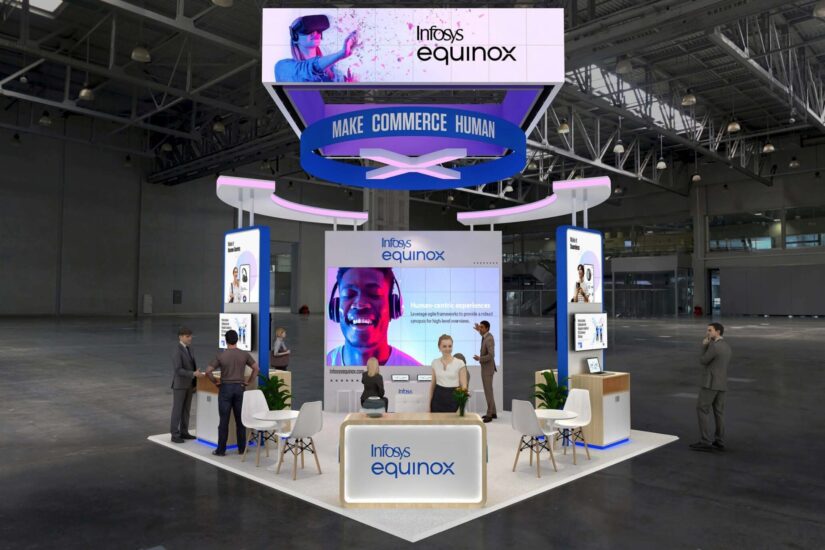
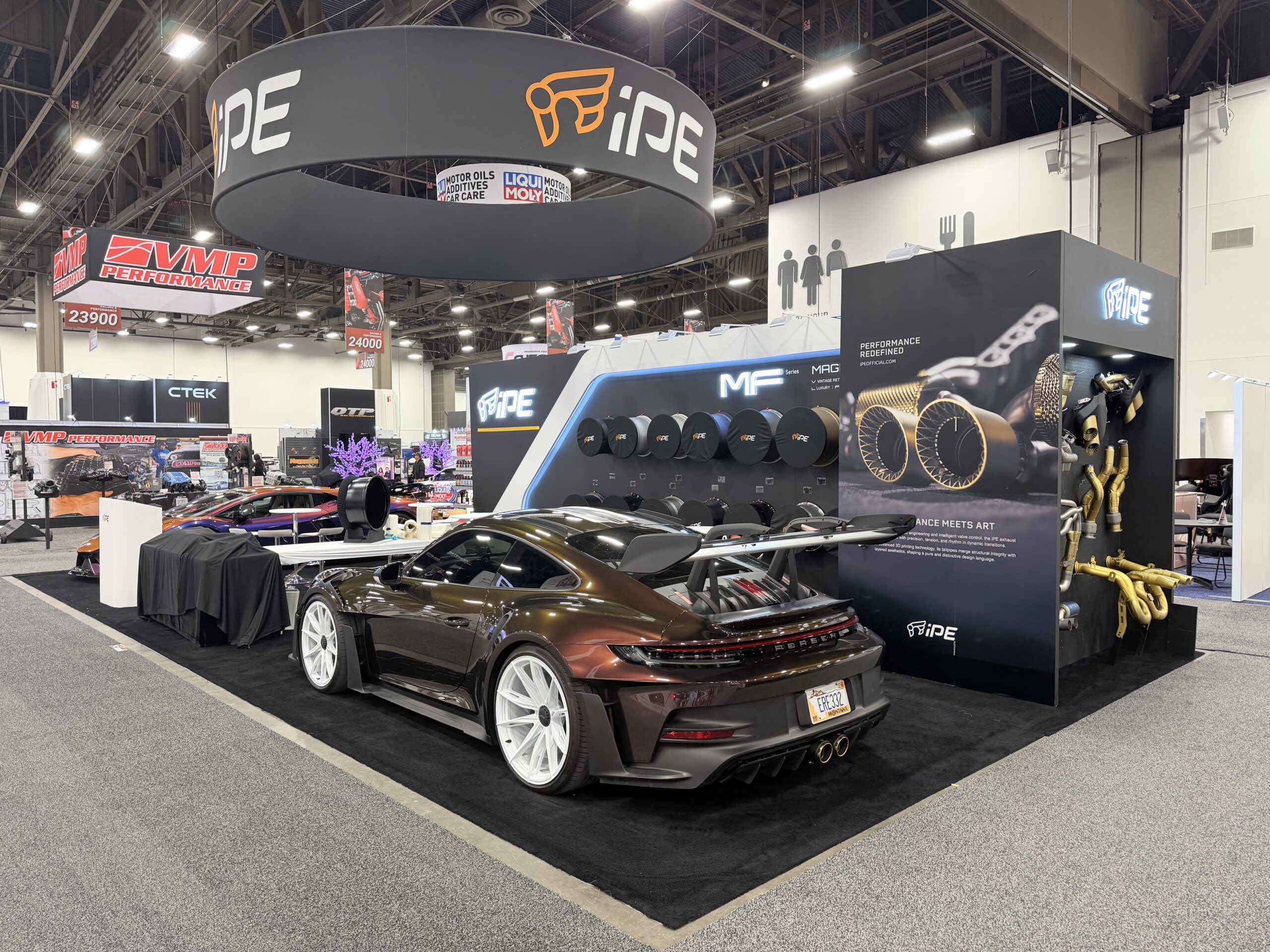
Trade show floors develop their own weather. By midday, the aisles hold a steady current of movement. Voices remain low but continuous. Light reflects off laminate counters and fabric panels in predictable ways. Within that environment, certain display approaches hold attention longer than others.
The most durable trade show ideas are rarely theatrical. They behave as extensions of the floor rather than interruptions to it. They acknowledge fatigue, curiosity, and the limited time most visitors carry with them. What feels “fun” in this setting tends to arise from contrast, texture, and momentary pause rather than spectacle.
Below are patterns that surface repeatedly across industries.
Spatial Behaviors That Invite Movement
Some exhibits absorb traffic. Others repel it. The difference often lies in proportion and openness.
- Open Front Edges
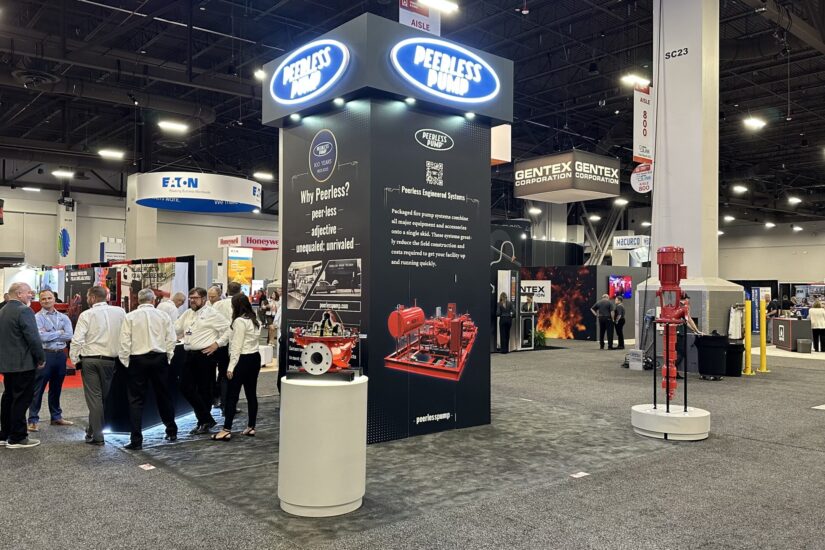
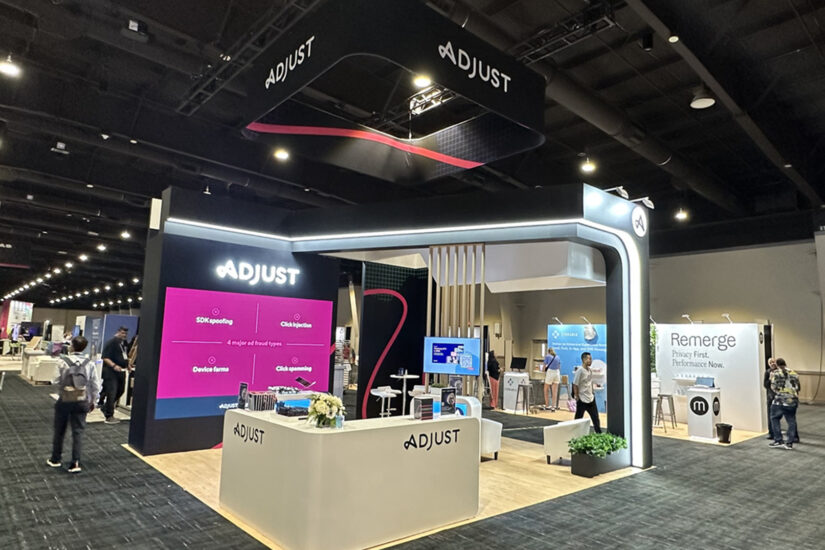
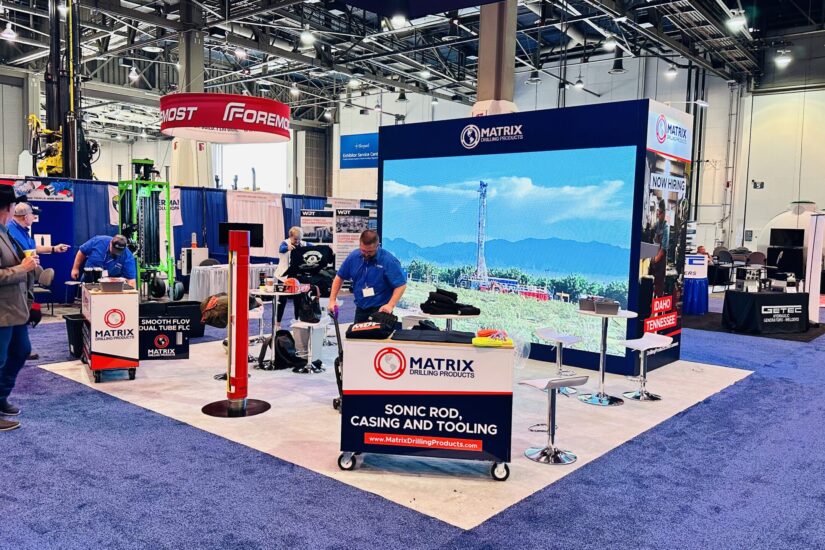
Booths without hard front barriers show higher entry drift. Visitors step in without breaking stride. The space feels continuous with the aisle. - Layered Depth
A shallow front counter followed by a deeper interior zone creates a natural gradient. Movement slows gradually rather than stopping abruptly. - Offset Angles
Walls set at slight angles redirect foot traffic without signaling control. The change is subtle. The path bends. - Visible Surfaces
Tables and platforms positioned at waist height remain legible from several feet away. Objects placed too low or too high tend to be ignored.
These are trade show ideas grounded in floor behavior. They do not announce themselves. They remain functional.
Tactile Elements and Material Contrast
Visitors often reach before they speak. Texture invites that motion.
- Sample Stations
Materials laid out in small clusters show higher interaction than sealed vitrines. Touch clarifies scale and weight. - Contrasting Finishes
Matte against gloss, wood against metal. The eye slows where texture shifts. - Functional Props
Tools or components placed within reach create a moment of inspection. Not play. Inspection.
The outcome is not noise. It is paused. Among trade show ideas, tactile contrast remains one of the most consistent in shaping dwell time.
Controlled Motion Through Digital Surfaces
Screens appear across most modern exhibits. Their behavior varies.
| Display Element | Observed Floor Effect |
| Static Graphic Panels | Read briefly, then passed |
| Tablet Demos | Draw small clusters |
| LED Video wall rentals | Anchor attention when motion is slow |
| Rapid Animation Loops | Glanced at, rarely held |
LED video wall rentals behave differently depending on pacing. Slow interface loops or process visuals hold attention longer than high-speed brand sequences. Brightness that matches ambient light remains readable. Excess luminance disperses focus.
These trade show ideas rely on tempo rather than intensity.
Structured Play Within Professional Context
Play does not always resemble games. It often resembles participation.
- Modular Boards
Magnetic or movable components allow visitors to reconfigure a product layout. The action remains quiet but personal. - Marking Systems
Visitors place a token beside a preferred feature. The board accumulates small evidence of opinion. - Timed Demonstration Windows
Short cycles of visible action draw brief semicircles of observers. The group forms and dissolves naturally
Such elements create a light register within a technical environment. The booth holds attention without raising volume.
Visual Hierarchy and Discovery
Hierarchy governs how long a visitor looks.
- Primary Surface
One dominant graphic or structure establishes identity. - Secondary Layers
Smaller zones reveal detail upon closer approach. - Peripheral Elements
Low-contrast signage remains readable but not demanding.
Trade show ideas built around hierarchy show a predictable pattern. The visitor sees, steps closer, then engages. Overstatement disrupts that sequence.
Common Display Approaches and Their Floor Behavior
| Approach | How It Behaves on the Floor |
| Fully Enclosed Booth | Filters traffic, extends conversation time |
| Open Corner Booth | Increases casual entry |
| High Backlit Graphics | Attracts glance, short dwell |
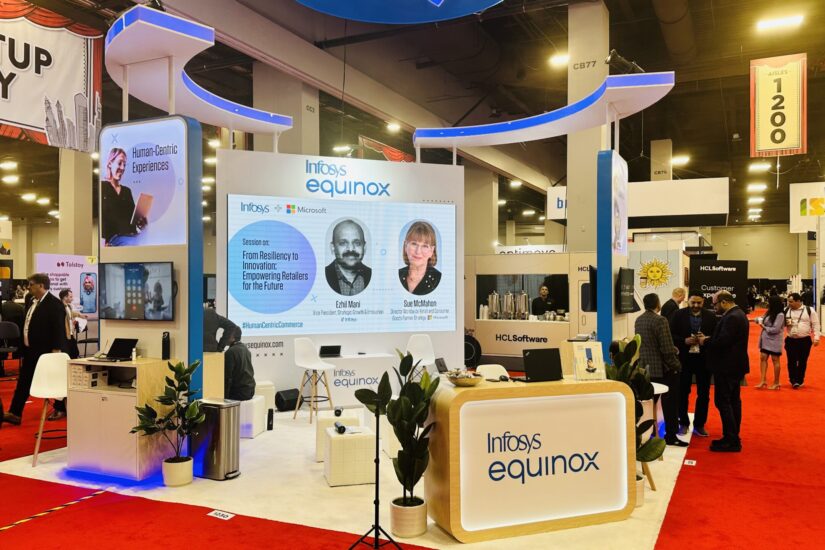
| Integrated Seating | Extends discussion duration |
| Rental Exhibits with Modular Walls | Adjusts easily to footprint variation |
Rental exhibits appear frequently where brands participate in multiple events per year. Panel alignment remains consistent across footprints. Lighting integration tends to be uniform. The structure behaves predictably.
Structural Consistency and Visual Calm
Trade show exhibits that endure long days share certain traits:
- Balanced lighting that resists glare
- Counters positioned just inside aisle lines
- Clear storage integration
- Graphics scaled to viewing distance
Exhibits lacking these traits show strain by the second afternoon. Surfaces collect clutter. Pathways narrow. Conversations migrate outward. Trade show ideas that account for these small shifts tend to remain legible throughout the event cycle.
TrueBlue Exhibits and Floor Behavior
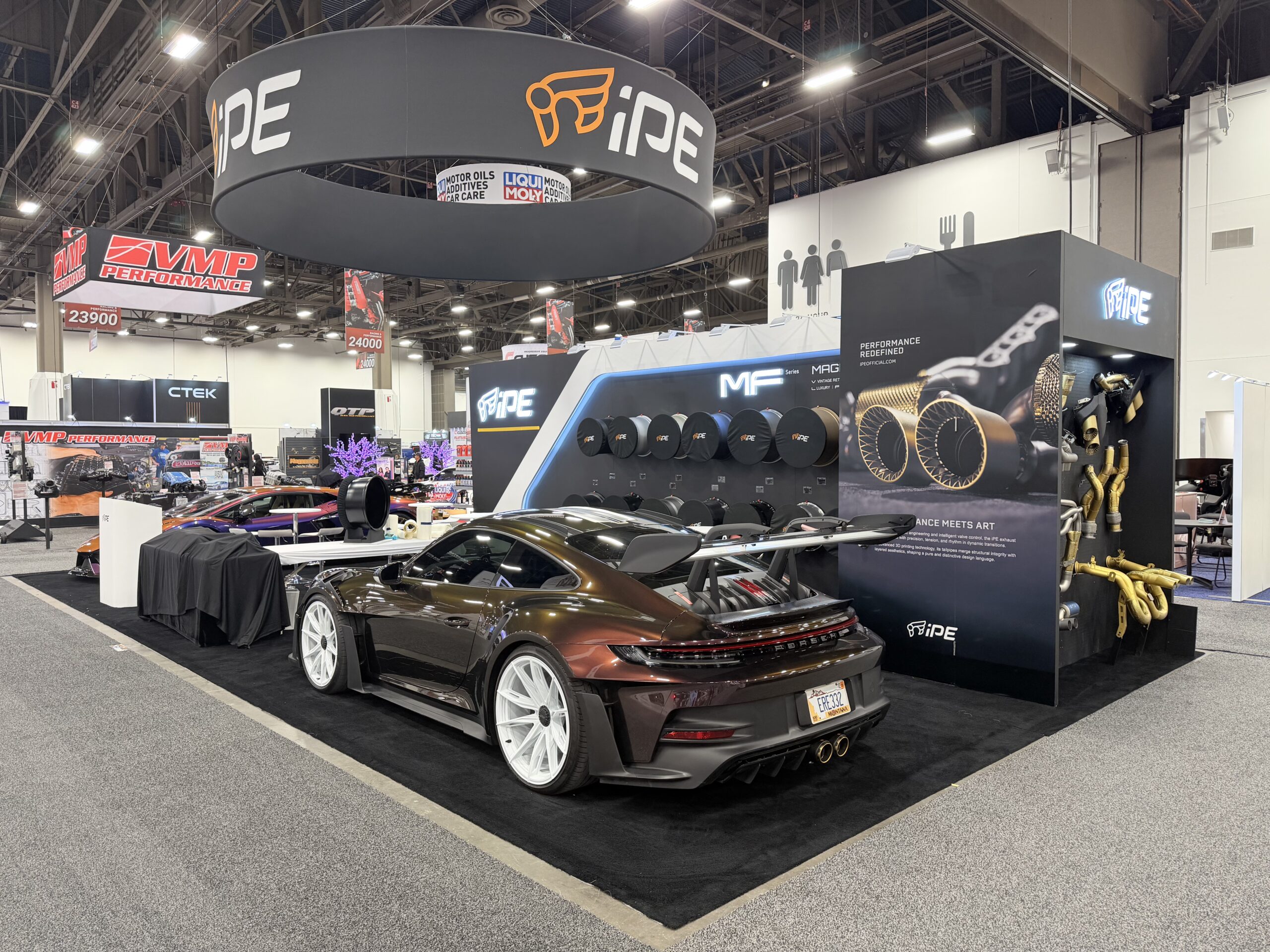
TrueBlue Exhibits structures its trade show exhibits with a measured architectural language. Panels align flush. Corners meet cleanly. The geometry remains consistent across varied footprints.
Within larger installations, LED video wall rentals are typically set inside framed recesses rather than at aisle edges. Motion appears controlled. Interface visuals loop at steady intervals. The screen acts as reference rather than a spectacle.
The company’s rental exhibits show modular continuity. Walls adjust in length without altering proportion. Storage remains concealed within panel depth. Lighting stays even across repeated assembly cycles.
On the floor, these structures neither dominate nor retreat. They hold position.
FAQs
What defines engaging trade show ideas?
They reflect floor movement, tactile interaction, and measured visual hierarchy rather than spectacle.
Do LED video wall rentals increase engagement?
They hold attention when motion remains slow and content remains legible.
Are rental exhibits common in large expos?
They appear frequently where repeat participation requires modular adaptation.
How does layout affect visitor dwell time?
Open front edges and layered depth correlate with gradual entry and extended stay.
Why do some booths feel overwhelming?
Excess brightness, compressed space, and competing motion reduce clarity.
Conclusion
Trade shows display concepts that create a lively atmosphere and announce themselves quietly. They behave as quiet adjustments within an already active environment. Texture slows the hand. Light defines boundaries. Screens provide reference when placed correctly. Space absorbs movement without friction.
Across different industries, the same pattern repeats. Exhibits that respect rhythm remain stable through the long hours of the floor. They hold attention without strain. They end the day much as they began, structured and intact.